




Black Cardamom
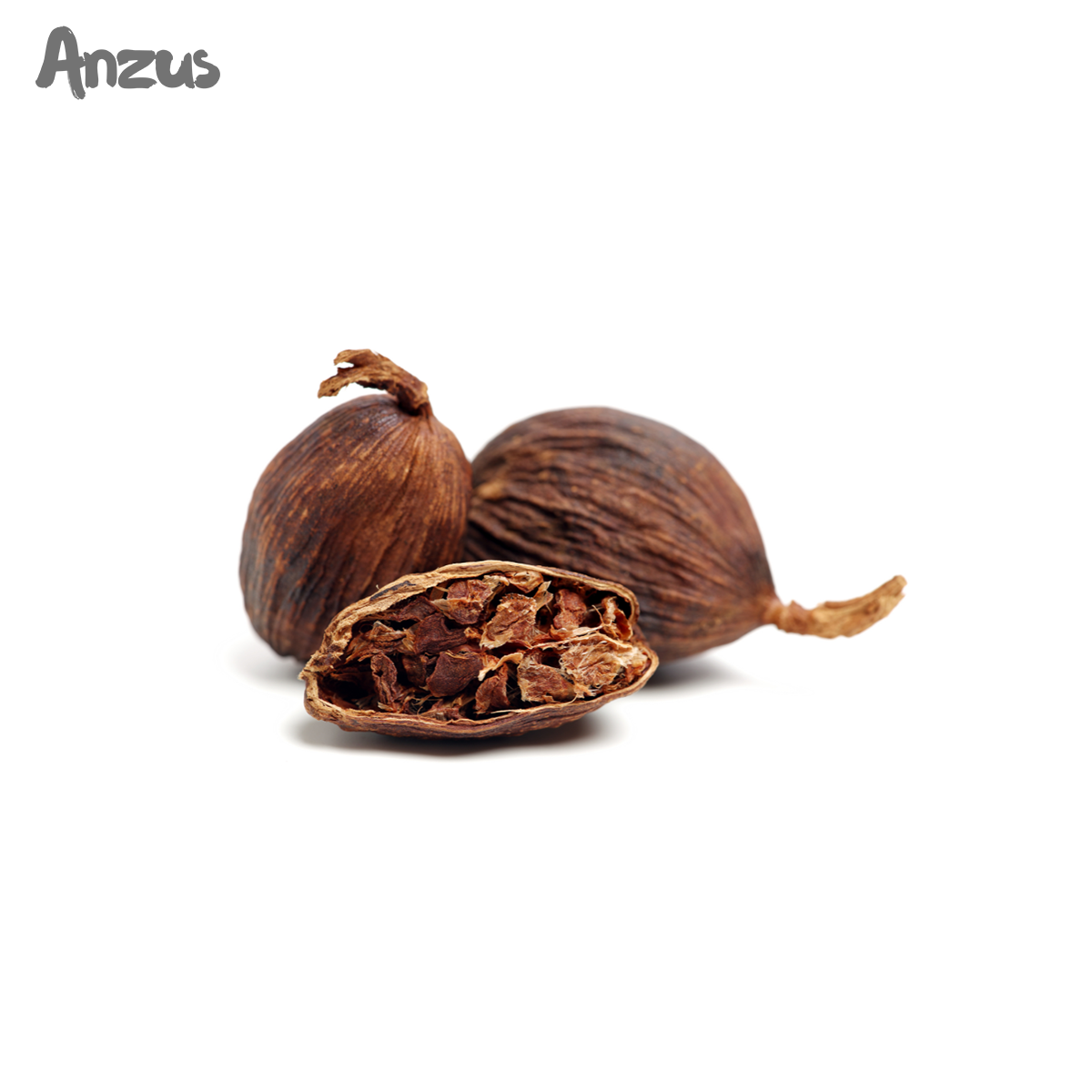
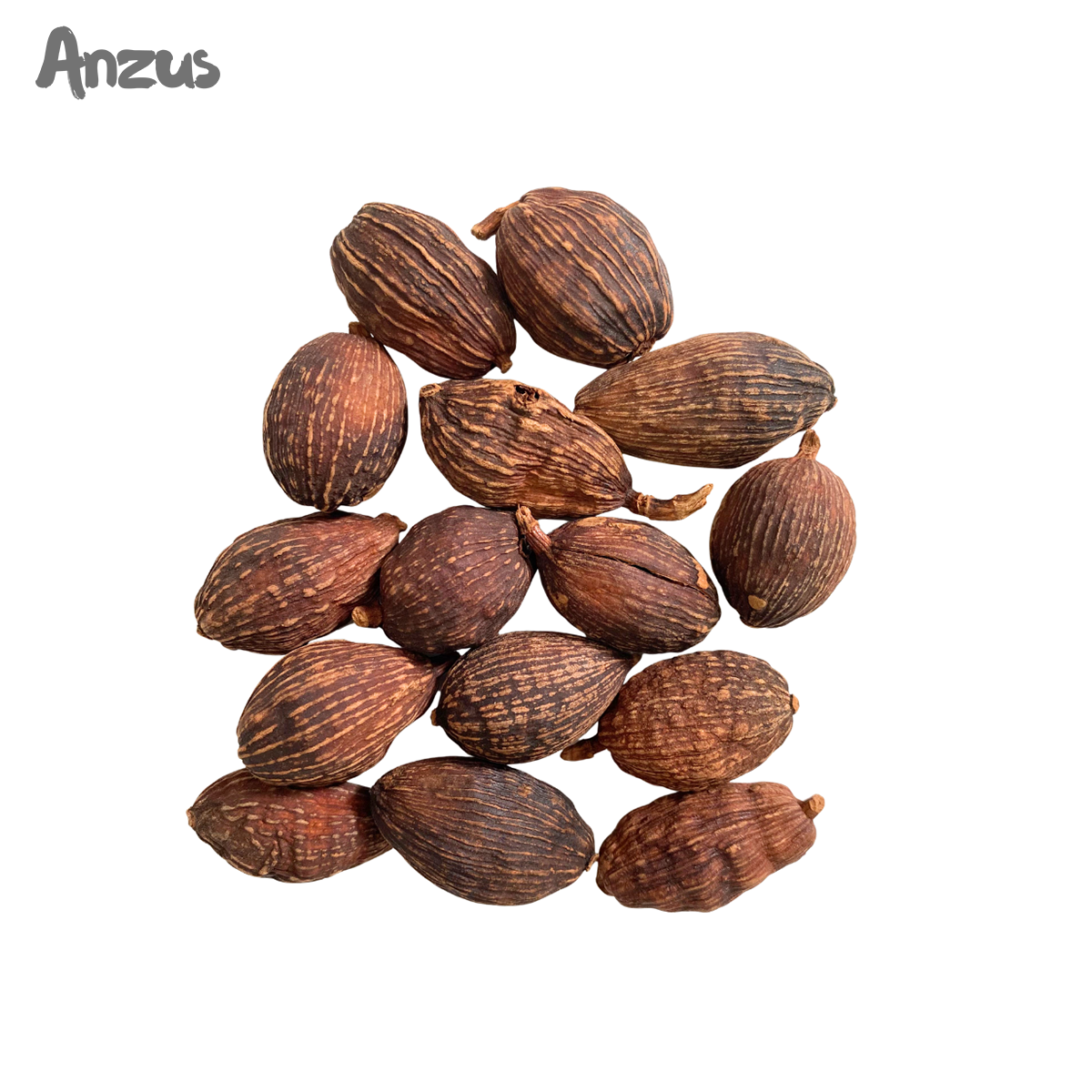
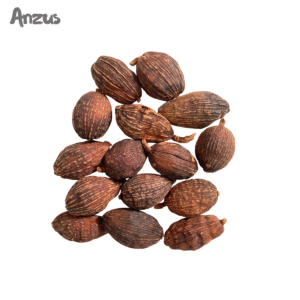
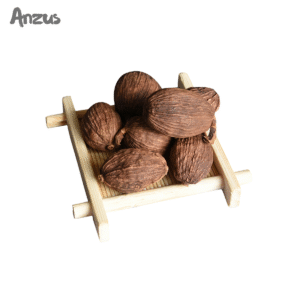
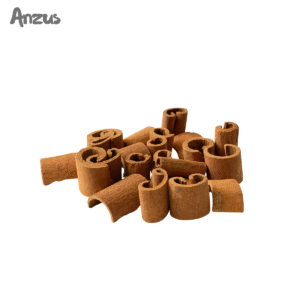
Black Cardamom is a high-grade whole spice, naturally air-dried to preserve its rich essential oils and deep aroma. It’s ideal for stews, herbal teas, and traditional dishes, known for its ability to aid digestion, warm the body, and strengthen the immune system.
Product Information
-
Raw Material: Black cardamom
-
Flavor: Spicy
-
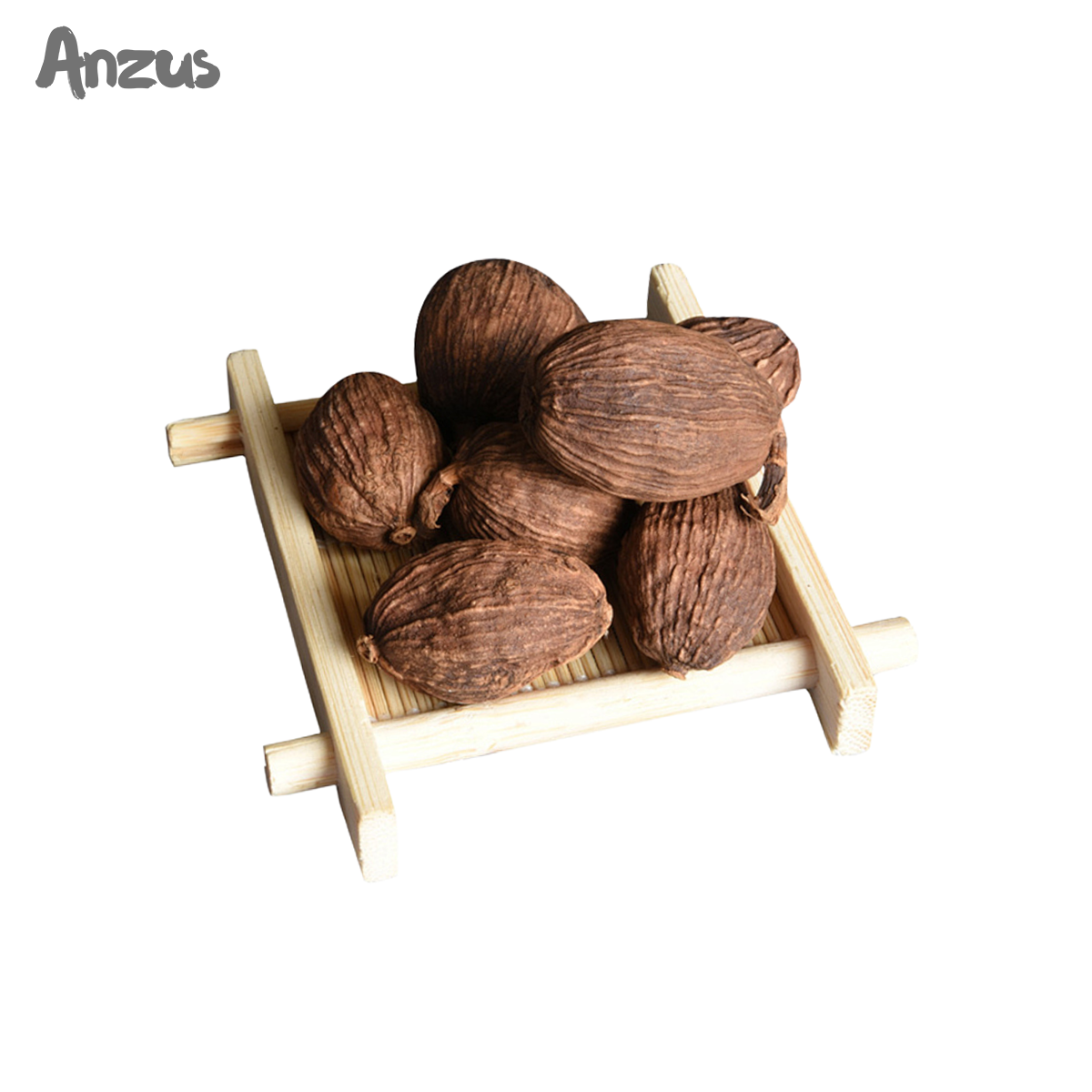
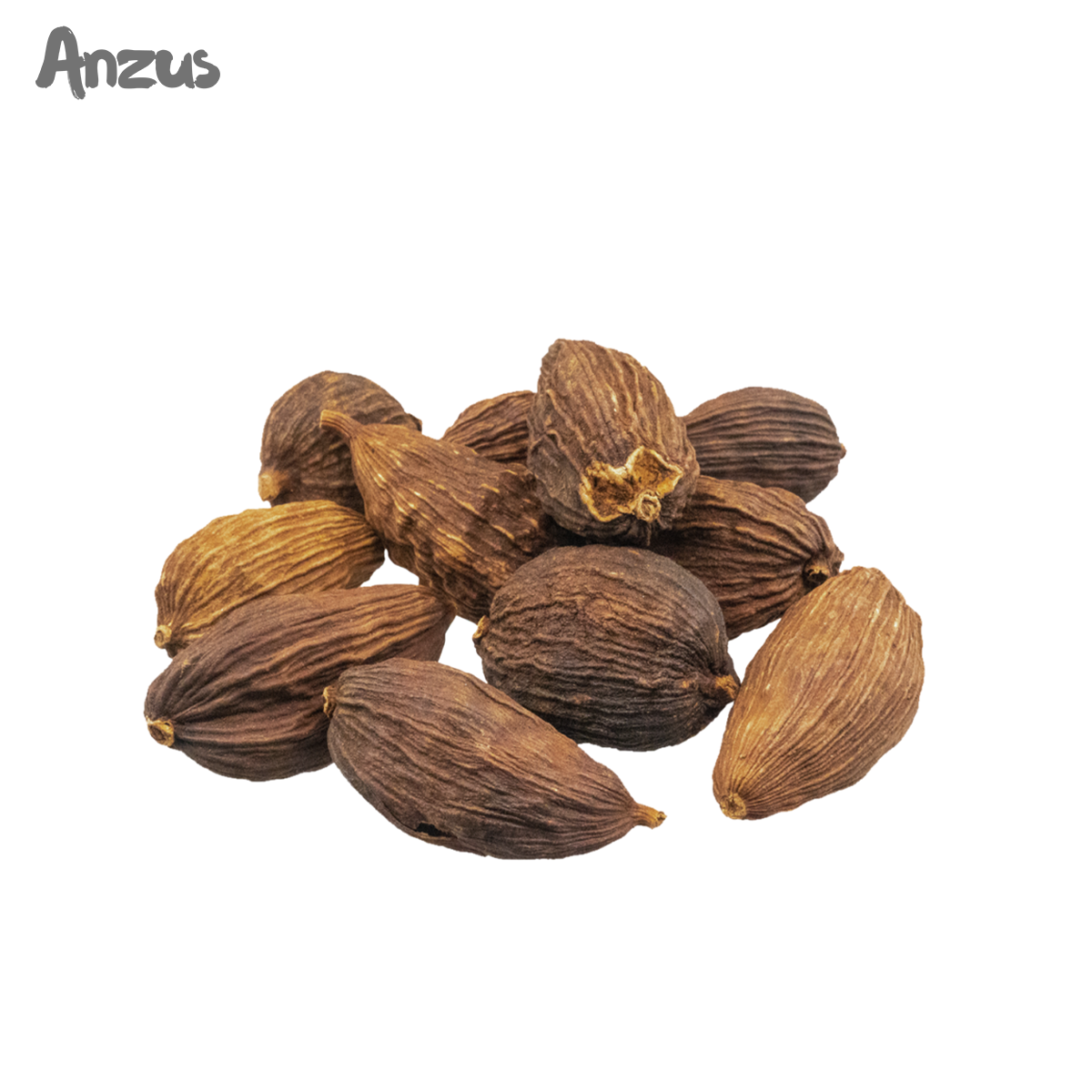
Form: Whole pods
-
Drying Technology: Air Drying (AD)
-
Composition: 100% cardamom
-
Maximum Moisture: 13.5%
-
Net Weight: 200 g / 400 g / 800 g
-
Shelf Life: 24 months
Black cardamom (Amomum tsaoko) is one of Vietnam’s most prized mountain spices, often called the “Queen of Spices” for its warm, aromatic flavor and high economic value. In traditional medicine, cardamom is used to aid digestion and regulate circulation, while in cuisine, it is an essential ingredient in pho, bun bo Hue, hotpot, and stewed dishes.
According to the Asian Spice Association (ASA, 2023), Vietnam ranks among the top three cardamom producers in the world, with an annual output of nearly 6,000 tons, mainly cultivated in Lao Cai, Lai Chau, and Ha Giang provinces.
With the philosophy of “Reputation – Quality – Sustainability,” Anzus Vietnam has developed a VietGAP-certified cardamom supply chain, combining traditional cultivation with modern processing technology to bring Vietnamese cardamom to the global market.
Characteristics and Classification
- Scientific name: Amomum tsaoko
- Family: Zingiberaceae (Ginger family)
- Shape: Oval fruit, 2-4 cm in diameter, dark brown shell with longitudinal ridges
- Flavor: Spicy, aromatic, slightly sweet aftertaste
Types of Cardamom:
- Dried cardamom: Most common in trade, easy to preserve.
- Fresh cardamom: Consumed domestically, less exported.
- Ground cardamom: Finely milled for food and pharmaceutical use.
Anzus Cardamom Production Process
- Harvesting: Fruits are picked when mature to preserve natural flavor.
- Drying: Cold-drying or low-temperature air drying ensures color and aroma retention.
- Sorting and inspection: Unripe or defective pods are removed.
- Packaging: Packed in 25-50 kg PP bags or 0.5-1 kg vacuum-sealed pouches.
All cardamom batches tested by Anzus Lab (2024) meet HACCP and ISO 22000 standards, fully compliant with EU and U.S. export requirements.
Nutritional and Bioactive Composition (per 100 g)
| Component | Content | Function |
|---|---|---|
| Essential oil | 3-5% | Fragrance, antibacterial properties |
| 1,8-Cineole | 40-50% | Respiratory aid, anti-inflammatory |
| Flavonoids | 120 mg | Antioxidant |
| Dietary fiber | 28 g | Supports digestion |
| Minerals (K, Ca, Mg) | 500-700 mg | Regulates blood pressure, supports heart health |
Health Benefits
- Aids digestion: Essential oils stimulate gastric secretion and reduce bloating.
- Heart health: Rich in potassium and flavonoids, helping regulate blood pressure.
- Anti-inflammatory & antibacterial: Inhibits E. coli and S. aureus growth.
- Antioxidant: Polyphenols and flavonoids reduce oxidative stress and prevent chronic diseases.
Applications
- Culinary: Used in pho, bun bo Hue, curries, hotpots, and stews.
- Traditional medicine: Treats indigestion, asthma, and colds.
- Pharmaceuticals: Extracted oil is used in cough syrups and throat remedies.
- Food industry: Used as a flavoring for beverages and confectionery.
Market and Consumption Trends
- Domestic consumption: ~1,500 tons/year
- Export value (2023): ~USD 35 million
- Main markets: China, India, EU
- Global trend: Demand for natural spices expected to grow 18% annually until 2030.
Anzus Vietnam is developing organic cardamom for the premium EU and U.S. markets, where consumers pay 20–30% more for certified organic products.
How to Select and Store Cardamom
- Choose: Large, firm pods with a rich aroma and deep brown color.
- Avoid: Wrinkled, moldy, or off-smelling pods.
- Storage: Keep in a cool, dry place, away from sunlight, with humidity under 65%.
- Shelf life: 12–18 months under proper storage conditions.
Vietnam’s Cardamom Growing Regions and Advantages
- Main regions: Lao Cai, Lai Chau, Ha Giang (~6,000 tons/year).
- Advantages: Cool climate, fertile soil, and cardamom with stronger fragrance and higher essential oil (10–15% higher) than Indian and Chinese varieties.
Economic Value and Growth Potential
- Average farmer income: VND 70-100 million/ha/year.
- Contributes over VND 1,000 billion annually to Vietnam’s spice industry.
- Export forecast by 2030: USD 60 million/year.
Anzus Vietnam collaborates with local cooperatives to build organic cardamom cultivation zones, promoting the brand:
“Vietnamese Cardamom – Global Quality.”
FAQ?
- What are the main types of cardamom?
Dried, fresh, and ground cardamom. - What is the key compound in cardamom oil?
1,8-Cineole (40-50%), which supports respiratory health and reduces inflammation. - Which dishes use cardamom most commonly?
Pho, bun bo Hue, curries, hotpot, and stews. - How much cardamom does Vietnam produce annually?
Approximately 6,000 tons (2023). - What are its health benefits?
Aids digestion, supports heart health, antibacterial, and antioxidant effects. - What is the export price range?
USD 2,800-3,200 per ton, depending on quality and destination market. - Which are the main export markets?
China, India, and the EU. - Can people with stomach issues use cardamom?
Yes, in small doses – cardamom helps relieve bloating and indigestion. - How long does cardamom last?
12–18 months if stored in a dry, cool place below 25°C. - What is Anzus’s development direction?
Focus on organic cardamom certified under GlobalG.A.P. standards for EU and U.S. export.






Bạn vui lòng nhập đúng số điện thoại để chúng tôi sẽ gọi xác nhận đơn hàng trước khi giao hàng. Xin cảm ơn!