


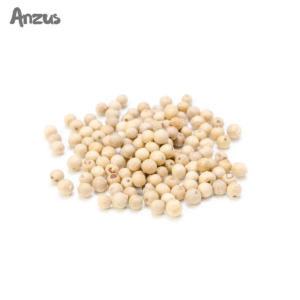

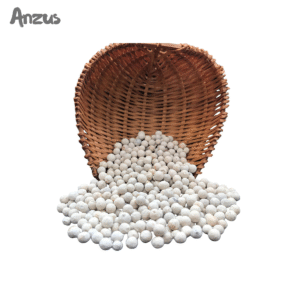
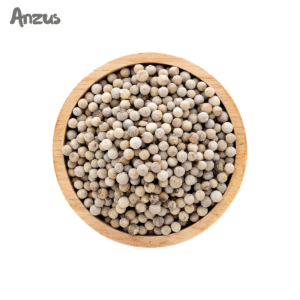
White Pepper
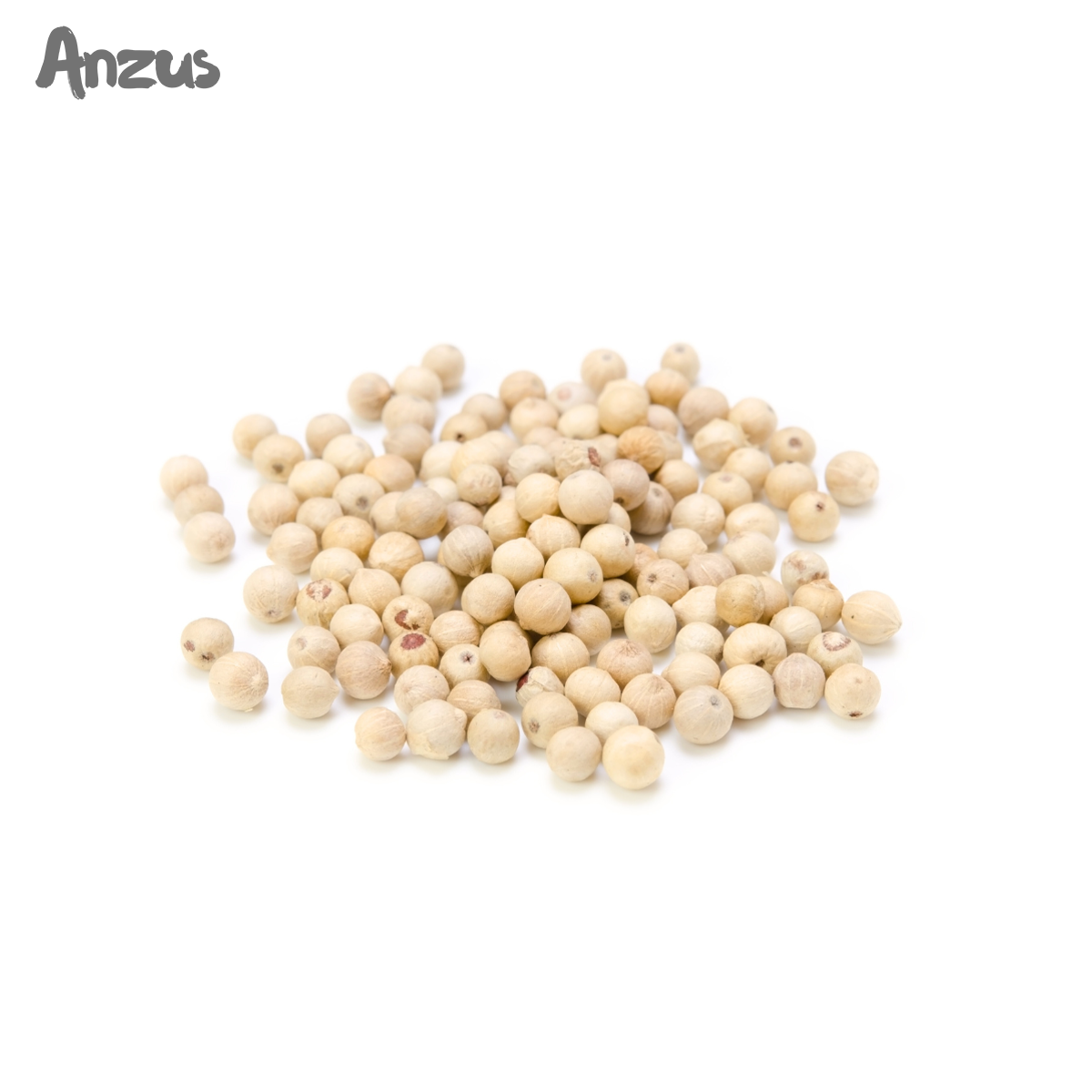
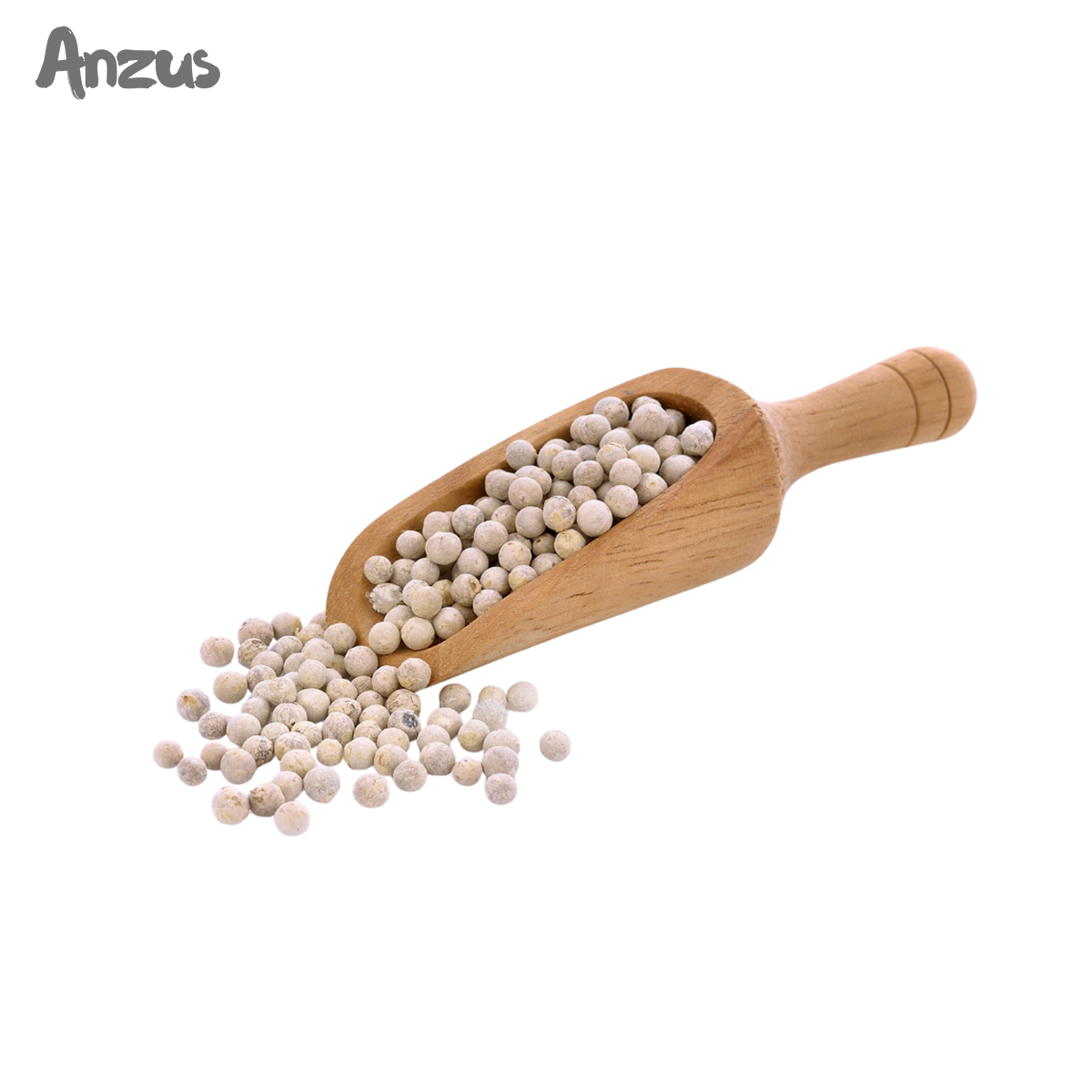
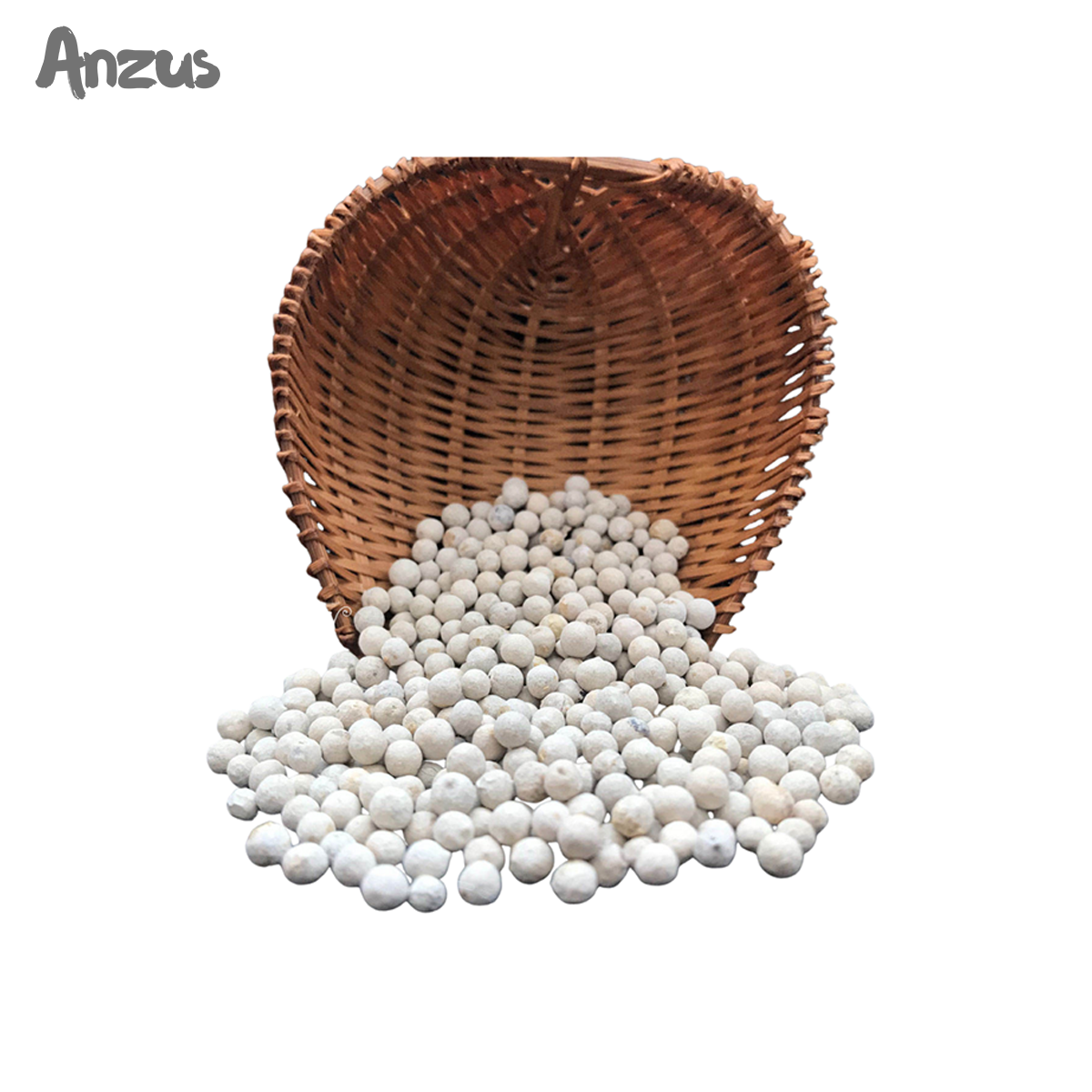
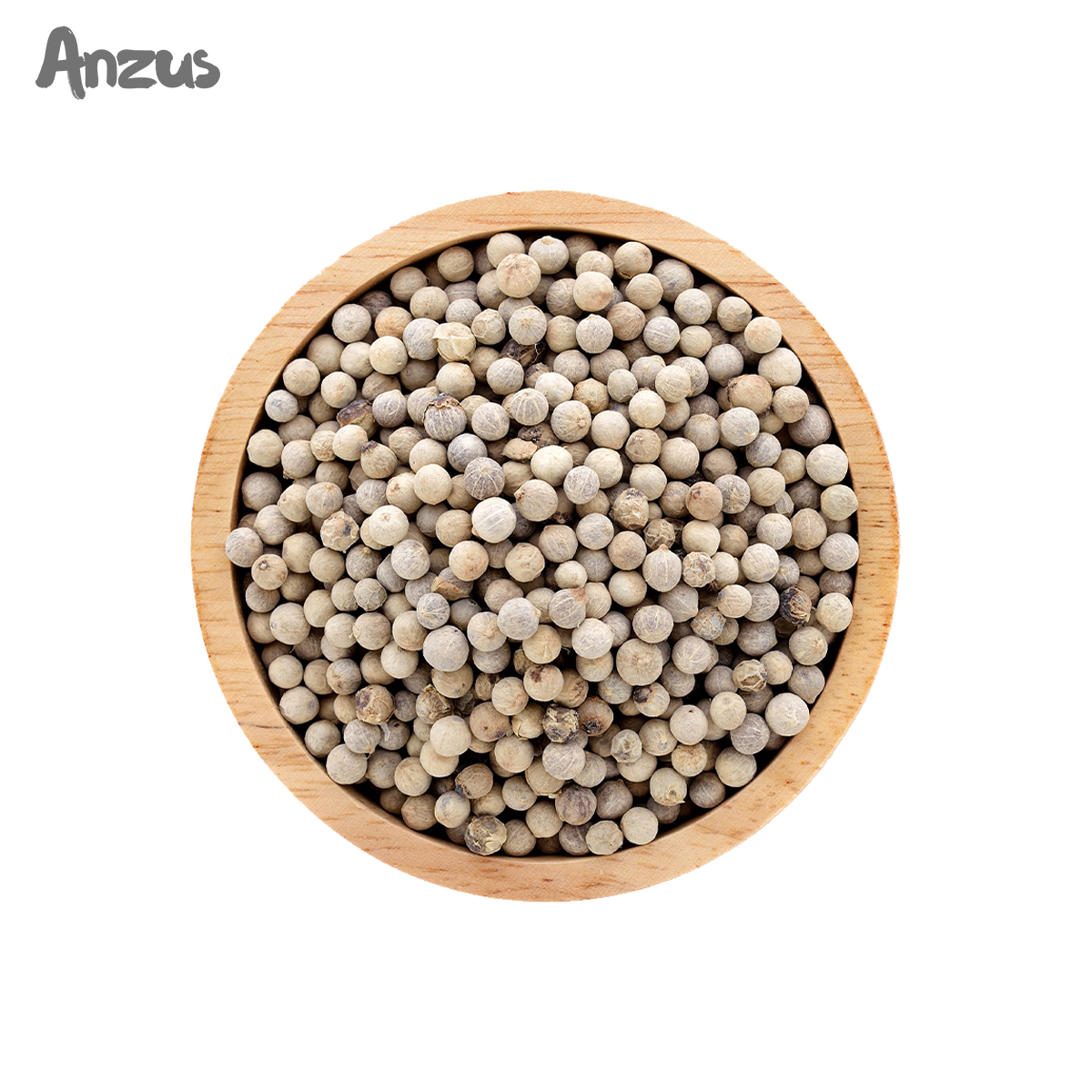
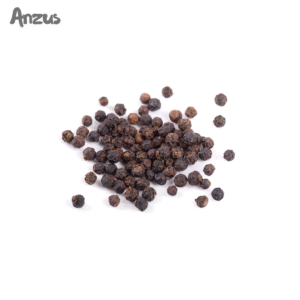
White pepper, also known as white peppercorn, is produced from black peppercorns with the outer skin removed. Its distinctive characteristic lies in a milder spiciness and a pleasant, aromatic fragrance compared to black pepper. White pepper is widely used in soups, sauces, and light-colored dishes, enhancing flavor and appeal without altering the natural color of the food.
Product Information
-
Ingredient: Pepper
-
Flavor: Spicy
-
Form: Whole peppercorns
-
Drying Method: AD (Air Drying)
-
Composition: 100% pepper
-
Maximum Moisture: 5%
-
Net Weight: 25 kg
-
Shelf Life: 24 months
White pepper is a high-grade spice made from fully ripened pepper berries whose outer skin has been removed to reveal the creamy white seed inside. This premium variety is commonly used in dishes that require a refined flavor and light color.
Product Information
- Main ingredient: 100% natural pepper berries
- Flavor: Spicy and robust
- Form: Whole seeds, ivory white color
- Maximum moisture: 5%, ensuring long-lasting quality and shelf life
Production Process of White Pepper
The production of white pepper requires precision and skill to preserve its natural aroma and superior quality. The main stages include:
- Harvesting:
Ripe red pepper berries are harvested at full maturity to achieve optimal sweetness and aroma. - Soaking and Peeling:
The berries are soaked in water to soften and remove the outer pericarp, retaining only the white inner seed. - Drying:
Using Air Drying (AD) technology, the seeds are gently dried to preserve their natural flavor and color. - Packaging:
The finished white pepper is packed in 25 kg specialized food-grade bags, ensuring hygiene and product stability.
Nutritional and Bioactive Composition (per 100 g dried white pepper)
| Category | Component | Approximate Content | Function / Notes |
|---|---|---|---|
| Energy | Calories | 250–280 kcal | Provides energy |
| Protein | 10–12 g | Builds and maintains muscle | |
| Carbohydrates | 64–68 g | Main energy source | |
| Dietary Fiber | 25–27 g | Supports digestion | |
| Minerals | Potassium (K) ~1200 mg | Regulates heart and blood pressure | |
| Calcium (Ca) ~430 mg | Strengthens bones and teeth | ||
| Magnesium (Mg) ~190 mg | Relaxes muscles and nerves | ||
| Vitamins | Vitamin C 20–22 mg | Antioxidant, boosts immunity | |
| Vitamin K ~160 µg | Supports blood clotting and bone health | ||
| Active Compounds | Piperine 5–9% | Provides spiciness, enhances nutrient absorption | |
| Essential oils (α-pinene, β-pinene, limonene, caryophyllene) 0.6–2.6% | Antibacterial, aromatic | ||
| Flavonoids, phenolics | Trace amounts | Antioxidant, cell protection |
Culinary Applications
White pepper is a versatile spice commonly used in:
- Soups and sauces: Adds a sharp aroma and mild spiciness.
- Grilled and fried dishes: Enhances fragrance and depth of flavor.
- European cuisine: Popular in steak, pasta, and salad for its delicate color and refined taste.
Traditional and Health Benefits
In traditional medicine, white pepper is valued for its digestive, anti-inflammatory, and circulatory benefits:
- Aids digestion: Stimulates gastric secretions, improving appetite.
- Pain relief: Piperine has natural anti-inflammatory and analgesic properties.
- Improves circulation: Enhances blood flow and supports heart health.
Health Benefits of White Pepper
White pepper is more than just a culinary spice – it is also a functional ingredient with proven health benefits:
- Antioxidant: Piperine protects cells from free radical damage.
- Supports weight management: Stimulates metabolism and helps burn calories.
- Boosts immunity: Natural compounds fight bacteria and viruses.
Storage and Usage Tips
To maintain freshness and quality:
- Storage: Keep in a cool, dry place away from direct sunlight.
- Usage: Grind just before use for the freshest flavor.
- Dosage: Use moderately to avoid stomach irritation.
FAQ
- Where does white pepper come from?
Mainly sourced from famous Vietnamese pepper regions such as Phu Quoc, Ba Ria–Vung Tau, and the Central Highlands, known for ideal soil and climate conditions. - What is the difference between white, black, and green pepper?
White pepper is made from fully ripe red berries with the outer skin removed.
Black pepper retains its skin, while green pepper is harvested unripe.
White pepper has a milder but more delicate flavor than black pepper. - How should white pepper be stored?
Store in an airtight container, in a cool, dry place (20–25°C, humidity <60%). - What is its shelf life?
Up to 24 months if properly stored. - Are there any side effects?
Excessive consumption may cause stomach irritation or heartburn.
People with gastritis should consume in moderation. - What dishes pair well with white pepper?
Ideal for soups, sauces, grilled dishes, steaks, pastas, and salads. - Are there non-culinary uses?
Yes. White pepper is used in essential oil extraction, cosmetics, and wellness products due to its antibacterial and antioxidant properties. - Is it suitable for children?
Yes, in small quantities for children above 5 years old. Avoid overuse to prevent irritation. - Which spices pair best with white pepper?
Combines well with sea salt, garlic, onion, basil, and oregano, adding depth to seasoning blends. - Is it suitable for vegetarian dishes?
Absolutely. It enhances flavor in vegetarian and vegan recipes while maintaining the dish’s natural harmony.






Bạn vui lòng nhập đúng số điện thoại để chúng tôi sẽ gọi xác nhận đơn hàng trước khi giao hàng. Xin cảm ơn!