


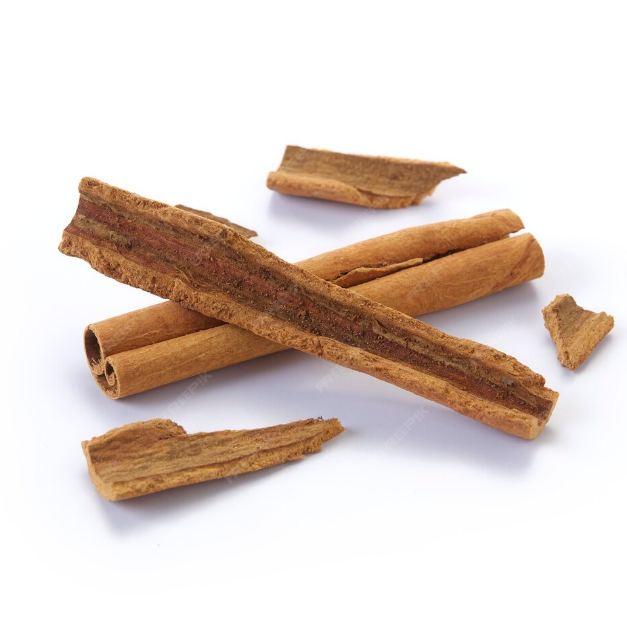
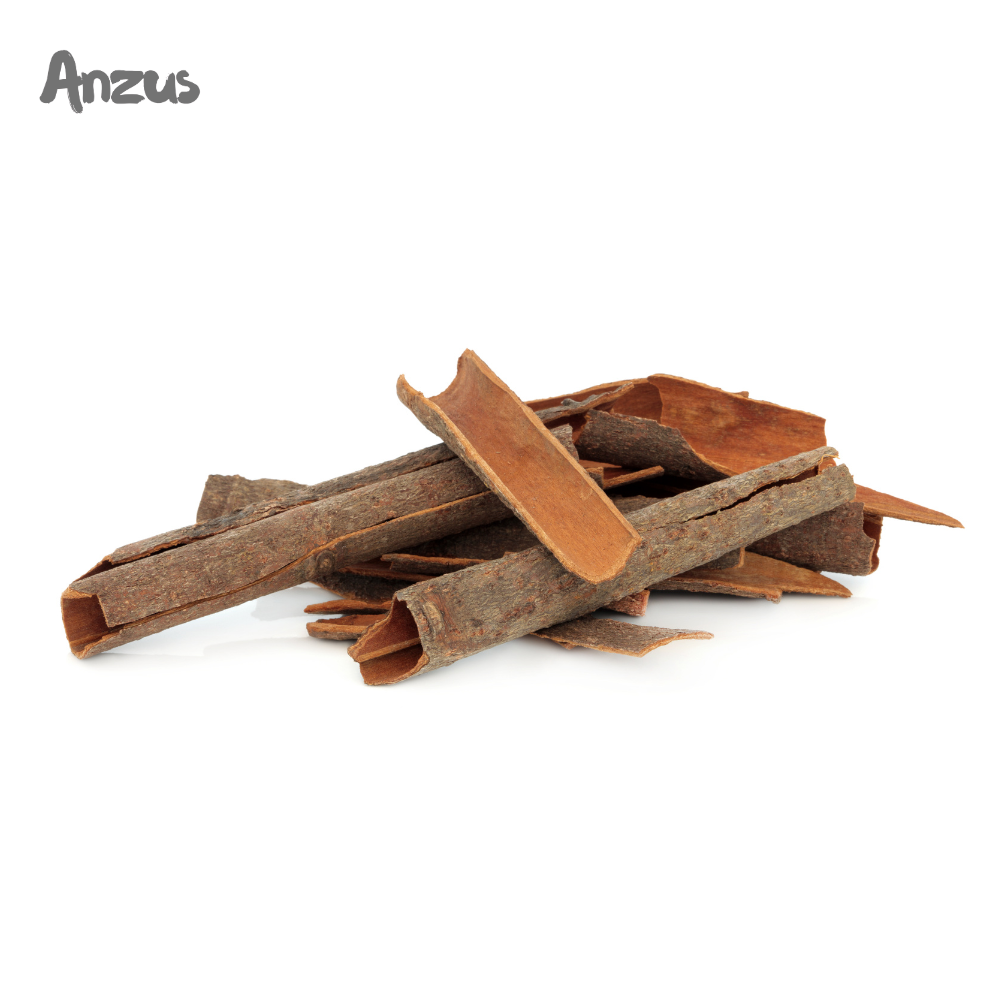
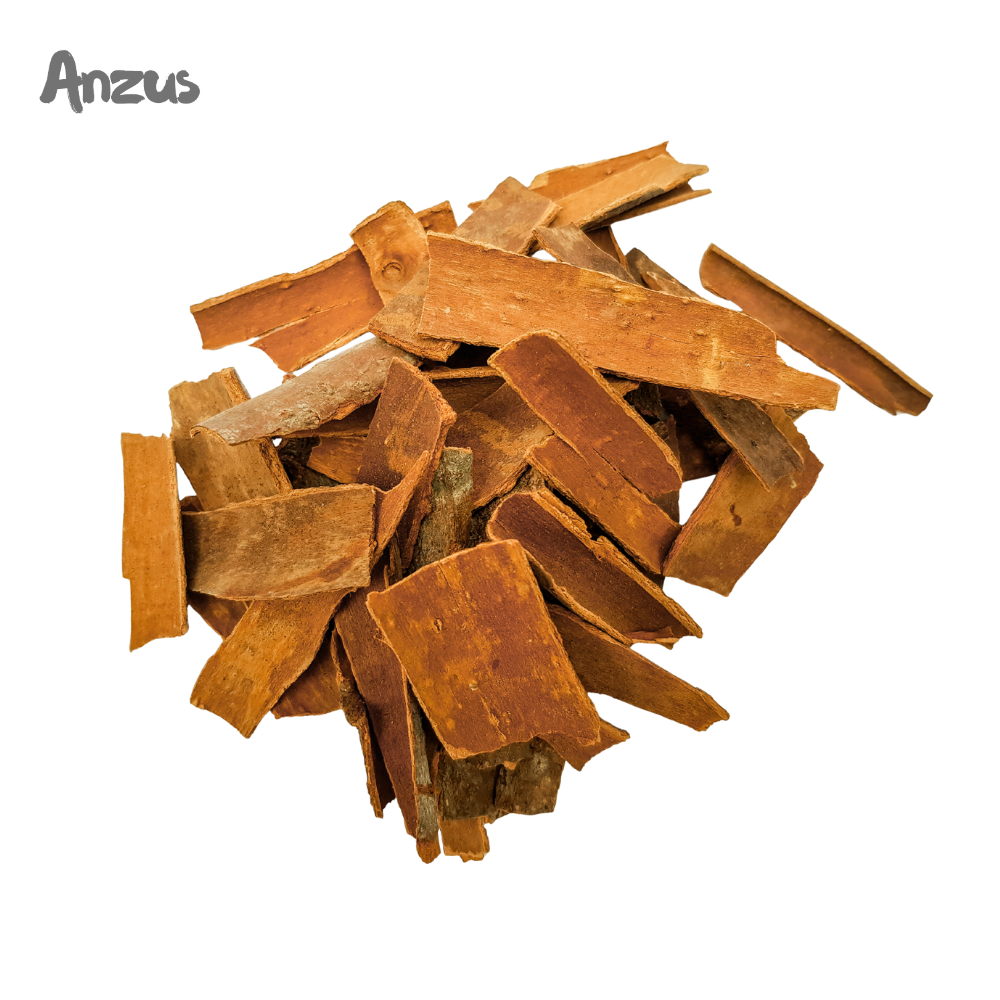
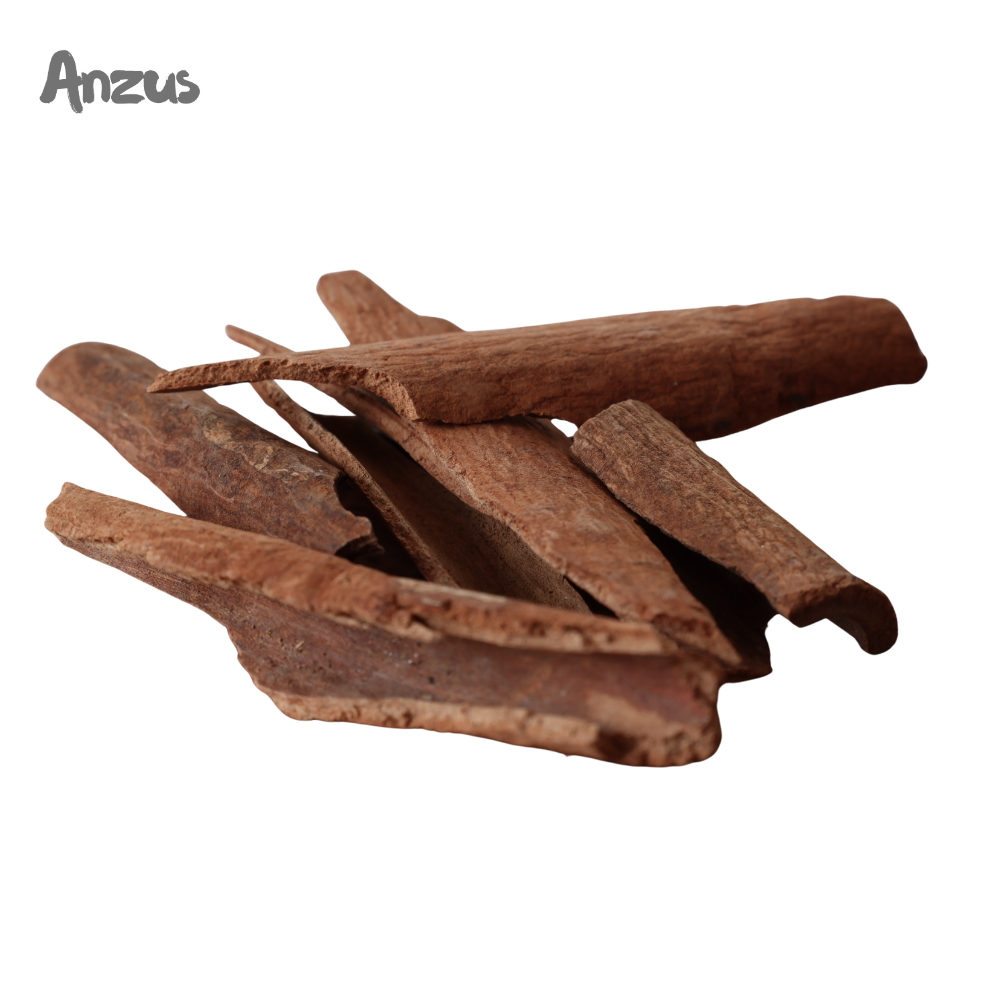
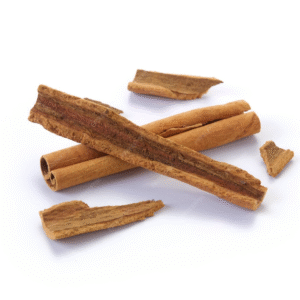


Broken Cinnamon Bark
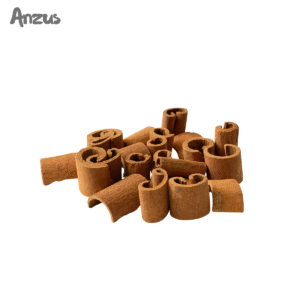
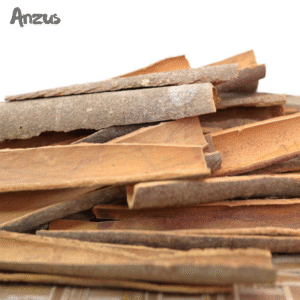
Broken cinnamon bark consists of small-cut pieces of cinnamon bark with a warm, mildly spicy aroma and a subtle natural sweetness. Easy to store and use, it is highly popular in beverage preparation, including tea, coffee, and hot cocktails. Additionally, it serves as an essential flavoring ingredient in desserts, sweet soups, and stews, adding a unique and appealing touch to various dishes.
Product Information
-
Ingredient: Cinnamon
-
Flavor: Spicy
-
Form: Stick / Bark pieces
-
Drying Method: AD (Air Drying)
-
Composition: 100% cinnamon
-
Maximum Moisture: 5%
-
Net Weight: 25 kg
-
Shelf Life: 24 months
Broken cinnamon bark is a precious spice and herbal ingredient derived from the bark of the cinnamon tree. With its distinct warm, sweet, and spicy aroma, this product is widely used in culinary, medicinal, and industrial applications. In this article, we’ll explore its characteristics, health benefits, and uses, as well as why it is an ideal choice for diverse needs.
Product Description
Broken cinnamon bark is made from 100% natural cinnamon bark, carefully cut into small pieces and dried using modern technology. It is a popular and convenient cinnamon form – easier to use and store than whole sticks.
- Ingredient: 100% natural cinnamon bark
- Drying Method: AD (Air Drying), preserves flavor and medicinal compounds
- Physical Characteristics: Brownish bark chips with a strong, pleasant aroma
- Maximum Moisture: 5%, ensuring the product remains mold-free and stable during storage
- Packaging: 25 kg/bag
Nutritional Composition (per 100 g)
| Category | Component | Approx. Content | Main Function |
|---|---|---|---|
| Energy | Calories | 247-260 kcal | Provides energy |
| Carbohydrates | Total carbs | 80-82 g | Primary energy source |
| Fiber | Dietary fiber | 53-55 g | Supports digestion |
| Minerals | Calcium (Ca) ~1000 mg | Bone and teeth health | |
| Manganese (Mn) 15-17 mg | Strong antioxidant | ||
| Potassium (K) 430-500 mg | Heart health and blood pressure | ||
| Vitamins | Vitamin K ~30 µg | Supports blood clotting and bone strength | |
| Active Compounds | Cinnamaldehyde 60-75% of essential oil | Provides aroma, antibacterial | |
| Eugenol 5-10% of essential oil | Antioxidant, mild anesthetic | ||
| Coumarin 0.4-0.8% (Cassia) | Adds fragrance; controlled in exports | ||
| Polyphenols, Flavonoids | Trace amounts | Antioxidant, heart protection |
Production Process
- Harvesting:
The bark is harvested from 10-15-year-old cinnamon trees, when essential oil concentration peaks (about 1–4%). - Pre-processing:
The bark is cleaned and cut into small pieces for easier handling and use. - Drying:
Using Air Drying (AD) technology, moisture is kept below 5%, preserving aroma, color, and nutrients while extending shelf life. - Packaging:
The dried cinnamon pieces are sealed in food-grade bags, ensuring hygiene and convenient transport.
Key Features
- High essential oil content: Contains 1-4% oil, with cinnamaldehyde (70–80%) providing a strong aroma and natural antibacterial properties.
- Low moisture: ≤5%, allowing long-term storage even in humid climates.
- Nutritional and medicinal value: Rich in polyphenols and antioxidants, supporting anti-inflammatory effects and blood circulation.
Applications in Daily Life
- Culinary: Used to marinate meats, prepare curries, soups, sauces, or flavor desserts and candies.
- Beverages: Commonly used in cinnamon tea, coffee, or detox drinks.
- Traditional medicine:
- Aids digestion by stimulating digestive enzymes.
- Reduces inflammation thanks to cinnamaldehyde.
- Boosts immunity through antioxidant polyphenols.
Health Benefits
- Lowers blood sugar: Regular consumption can reduce glucose levels by 10–29%.
- Supports weight management: Stimulates metabolism and helps burn calories.
- Improves cholesterol levels: Lowers LDL (bad cholesterol) and increases HDL (good cholesterol).
- Anti-inflammatory: Helps relieve joint pain and inflammation.
Storage and Usage
- Storage: Keep in an airtight container in a cool, dry, shaded area.
- Usage: Can be used directly in cooking, for tea, or in steam therapy to relax and disinfect the air.
- Recommended amount: 1-2 g per day to avoid side effects.
FAQ? – Broken Cinnamon Bark
- How does broken cinnamon bark differ from cinnamon sticks and powder?
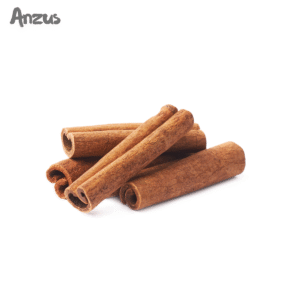
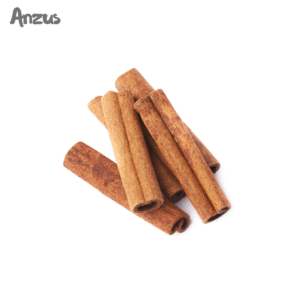
It’s made by cutting cinnamon sticks into smaller pieces, making it easier to use and store. Sticks are ideal for tea and decoration, while powder is used for baking and cooking. - How long can it be stored?
Up to 24 months when stored properly (moisture <5%, cool and dry conditions). - What are its industrial applications?
Used in producing cinnamon essential oil, perfumes, cosmetics, and as a natural ingredient for organic insecticides. - Are there any side effects?
Excessive use may cause stomach irritation, internal heat, or blood-thinning effects. People with liver conditions or pregnant women should consult a doctor. - Is it safe for children?
Suitable for children above 5 years old in small quantities (e.g., light tea infusions). Avoid overuse. - Which spices pair well with broken cinnamon bark?
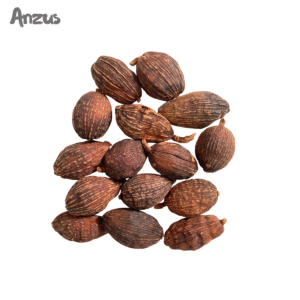
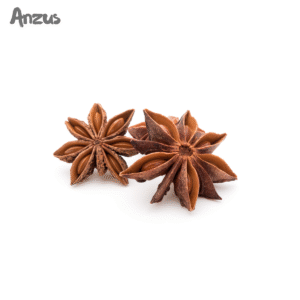
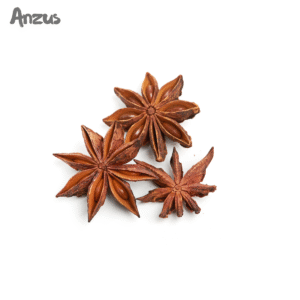
Pairs perfectly with star anise, cloves, ginger, and cardamom, creating rich and balanced flavors. - Can it be used in vegetarian dishes?
Yes. It enhances vegetarian meals with natural aroma without compromising their delicate taste. - Can it be used for steam therapy?
Yes. Commonly used for aromatic steam baths to relax, purify air, and disinfect naturally. - Is it used in cosmetics or skincare?
Yes. It’s often found in exfoliating masks and circulation-boosting treatments, thanks to its antibacterial and warming properties.






Bạn vui lòng nhập đúng số điện thoại để chúng tôi sẽ gọi xác nhận đơn hàng trước khi giao hàng. Xin cảm ơn!